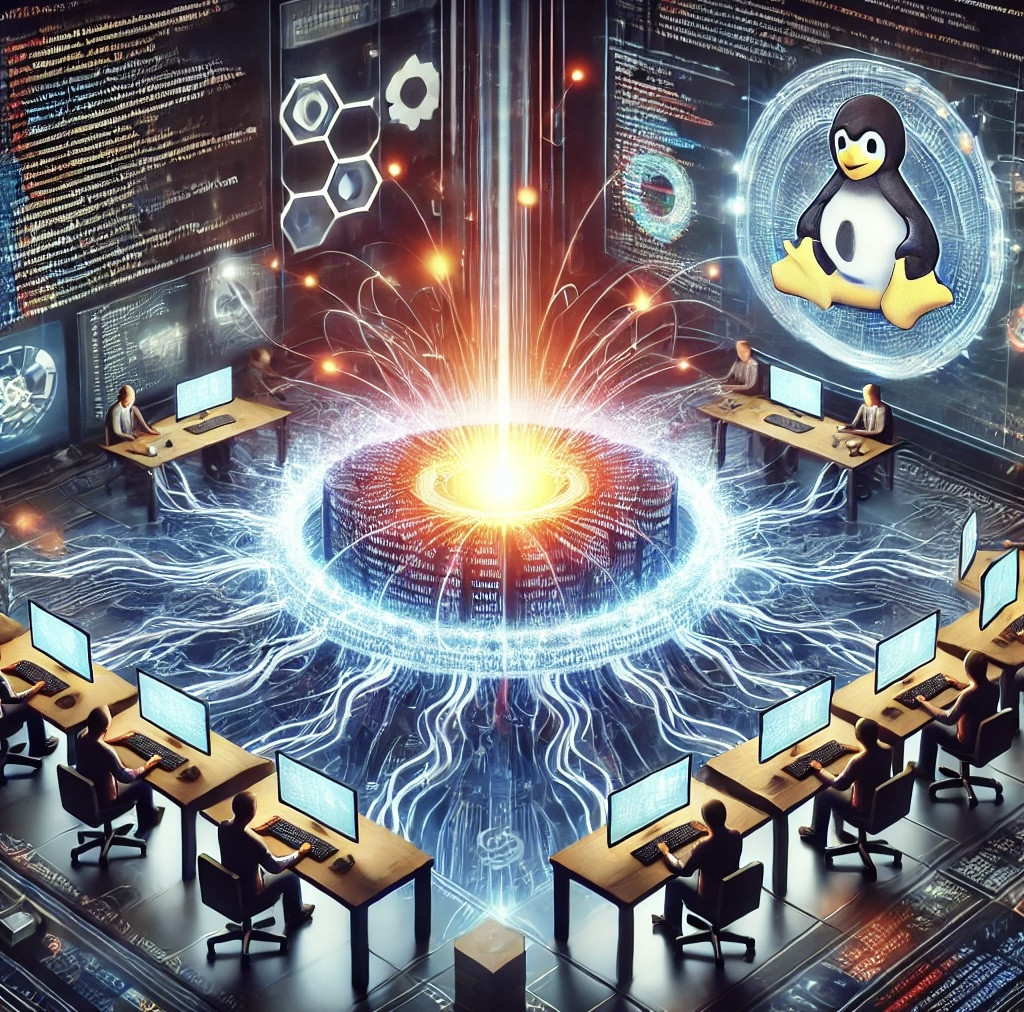
In the ever-evolving landscape of technology, Linux stands as a testament to the power of open-source collaboration. Since its inception in 1991 by Linus Torvalds, Linux has grown from a hobby project into a global phenomenon, powering everything from smartphones and servers to supercomputers and space exploration. But what makes Linux so special, and why is it the operating system of choice for developers, enterprises, and tech enthusiasts alike? Let’s dive deep into the world of Linux and explore its features, benefits, and impact on the tech industry.
What is Linux?
Linux is an open-source, Unix-like operating system kernel that serves as the foundation for a wide range of operating systems, commonly referred to as Linux distributions (distros). Unlike proprietary systems like Windows or macOS, Linux is freely available for anyone to use, modify, and distribute. This openness has fostered a vibrant community of developers and users who continuously improve and expand its capabilities.
The Core Philosophy of Linux
Linux is built on the principles of freedom, transparency, and collaboration. These core values are reflected in its design and functionality:
- Open Source: Linux’s source code is freely available, allowing users to inspect, modify, and distribute it. This transparency ensures security, as vulnerabilities can be identified and fixed by the community.
- Modularity: Linux is highly modular, meaning users can customize it to suit their specific needs. From lightweight distros for older hardware to robust systems for servers, Linux offers unparalleled flexibility.
- Stability and Performance: Linux is renowned for its stability and efficiency. It powers most of the world’s servers and supercomputers, where reliability and performance are critical.
Key Features of Linux
- Multi-User and Multi-Tasking: Linux supports multiple users and allows them to run multiple processes simultaneously without compromising performance.
- Security: Linux’s permission-based system and open-source nature make it inherently secure. Regular updates and a vigilant community further enhance its security.
- Customizability: With thousands of distros available, users can choose one that fits their needs. Popular distros include Ubuntu, Fedora, Debian, and Arch Linux.
- Command-Line Interface (CLI): Linux’s powerful CLI allows users to perform complex tasks efficiently. Tools like Bash scripting automate repetitive tasks, making it a favorite among developers and system administrators.
- Compatibility: Linux supports a wide range of hardware architectures, from desktops and laptops to embedded systems and IoT devices.
Linux in the Real World
Linux’s versatility has made it indispensable in various domains:
- Servers and Cloud Computing: Over 90% of the world’s cloud infrastructure runs on Linux. Platforms like AWS, Google Cloud, and Azure rely on Linux for its reliability and scalability.
- Supercomputers: All of the world’s top 500 supercomputers run on Linux, thanks to its ability to handle massive workloads and parallel processing.
- Mobile Devices: Android, the most popular mobile operating system, is based on the Linux kernel.
- Embedded Systems: Linux powers smart TVs, routers, and IoT devices due to its lightweight and customizable nature.
- Space Exploration: NASA and SpaceX use Linux for its reliability and adaptability in mission-critical environments.
Why Choose Linux?
- Cost-Effective: Linux is free to use, eliminating the need for expensive licenses.
- Community Support: The Linux community is one of the most active and supportive in the tech world. Forums, documentation, and tutorials are readily available.
- Learning Opportunity: Using Linux helps users understand the inner workings of an operating system, making it an excellent tool for learning and experimentation.
- Privacy: Unlike proprietary systems, Linux does not collect user data, ensuring privacy and control over personal information.
Challenges of Using Linux
While Linux offers numerous advantages, it’s not without its challenges:
- Learning Curve: The CLI and customization options can be intimidating for beginners.
- Software Compatibility: Some proprietary software (e.g., Adobe Suite) is not natively available on Linux, though alternatives like GIMP and LibreOffice exist.
- Hardware Support: While Linux supports most hardware, some manufacturers do not provide Linux drivers, which can lead to compatibility issues.
Getting Started with Linux
If you’re new to Linux, here’s how to get started:
- Choose a Distro: For beginners, Ubuntu or Linux Mint are excellent choices due to their user-friendly interfaces.
- Create a Bootable USB: Use tools like Rufus or Etcher to create a bootable USB drive with your chosen distro.
- Install Linux: You can dual-boot Linux alongside your existing OS or run it in a virtual machine using software like VirtualBox.
- Explore and Learn: Start with basic commands, explore the file system, and gradually delve into advanced features.
The Future of Linux
As technology continues to evolve, Linux is poised to remain at the forefront of innovation. With the rise of edge computing, AI, and quantum computing, Linux’s adaptability and open-source nature will ensure its relevance for decades to come. Moreover, initiatives like Linux Foundation’s efforts to improve diversity and inclusion in tech are helping to grow the community and drive further innovation.
Conclusion
Linux is more than just an operating system; it’s a movement that embodies the spirit of collaboration, freedom, and innovation. Whether you’re a developer, a system administrator, or a tech enthusiast, Linux offers a world of possibilities. By embracing Linux, you’re not just using a tool—you’re becoming part of a global community that’s shaping the future of technology.
So, why wait? Dive into the world of Linux today and experience the power of open-source innovation for yourself!