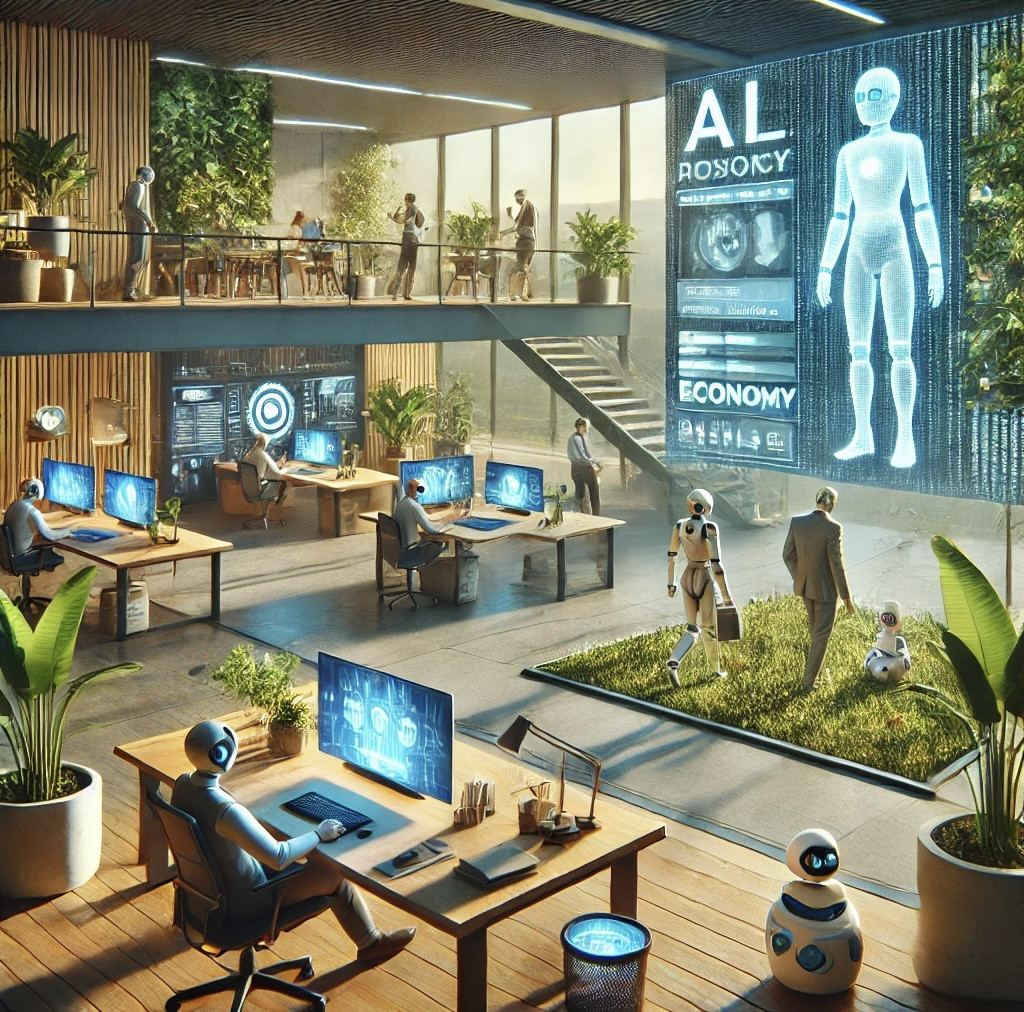
As we navigate through 2025, the world of work is undergoing a seismic transformation. The convergence of artificial intelligence (AI), the rise of remote work, and an increasing focus on sustainability are reshaping how we think about careers, productivity, and the workplace itself. These trends are not just fleeting; they are fundamentally altering the fabric of our professional lives.
1. AI: The New Co-Worker
Artificial intelligence has moved from being a futuristic concept to an integral part of our daily work lives. In 2025, AI is no longer just a tool; it’s a co-worker. From automating repetitive tasks to providing data-driven insights, AI is enhancing productivity across industries. For instance, AI-powered platforms like ChatGPT and other large language models are now assisting professionals in drafting reports, generating creative content, and even coding.
However, this shift has sparked debates about job displacement. While some roles are becoming obsolete, new opportunities are emerging in AI development, data analysis, and AI ethics. The key for professionals is to adapt by upskilling and embracing AI as a collaborator rather than a competitor.
2. Remote Work 2.0: The Hybrid Revolution
The pandemic of the early 2020s accelerated the adoption of remote work, and by 2025, it has evolved into a more sophisticated hybrid model. Companies are now offering employees the flexibility to choose where and when they work, blending the best of in-office collaboration with the autonomy of remote work.
This shift has led to the rise of "digital nomadism," where professionals are no longer tied to a specific location. Countries like Estonia and Portugal are even offering digital nomad visas, attracting global talent. Meanwhile, companies are investing in virtual reality (VR) and augmented reality (AR) technologies to create immersive remote work experiences, making virtual meetings feel as real as face-to-face interactions.
3. Sustainability: The New Corporate Imperative
Sustainability has moved from being a buzzword to a core business strategy. In 2025, companies are not just expected to be profitable but also environmentally and socially responsible. This shift is influencing hiring practices, with a growing demand for roles in sustainability management, green energy, and circular economy design.
Employees are also prioritizing employers who align with their values. A recent survey revealed that 70% of professionals would choose a job at a company with strong environmental and social governance (ESG) practices over one that doesn’t. This trend is pushing organizations to integrate sustainability into their operations, from reducing carbon footprints to adopting eco-friendly supply chains.
4. The Gig Economy Goes Mainstream
The gig economy, once dominated by ride-sharing and food delivery, has expanded into nearly every sector. In 2025, more professionals are opting for freelance and contract work, valuing the flexibility and autonomy it offers. Platforms like Upwork, Fiverr, and newer niche marketplaces are connecting businesses with skilled freelancers worldwide.
This shift is also driving the rise of "portfolio careers," where individuals juggle multiple gigs or projects simultaneously. While this offers greater freedom, it also raises questions about job security and benefits, prompting calls for better protections for gig workers.
5. Mental Health and Well-being Take Center Stage
As the lines between work and personal life blur, mental health has become a top priority for employers. In 2025, companies are investing in comprehensive well-being programs, offering everything from mental health days to access to therapy and mindfulness apps. The focus is on creating a supportive work environment that prioritizes employee health and happiness.
Conclusion: Embracing the New Normal
The workplace of 2025 is dynamic, flexible, and increasingly digital. While these changes bring challenges, they also offer unprecedented opportunities for growth and innovation. By embracing AI, adapting to hybrid work models, prioritizing sustainability, and supporting employee well-being, both individuals and organizations can thrive in this new era.
As we move forward, the key to success lies in staying agile, continuously learning, and embracing change. The future of work is here, and it’s full of possibilities. Are you ready to seize them?